
The Least Reliable American Cars of 2026, According to the Data
The American models with the lowest predicted reliability for 2026, what goes wrong with them and how to check a used one by VIN before you buy.
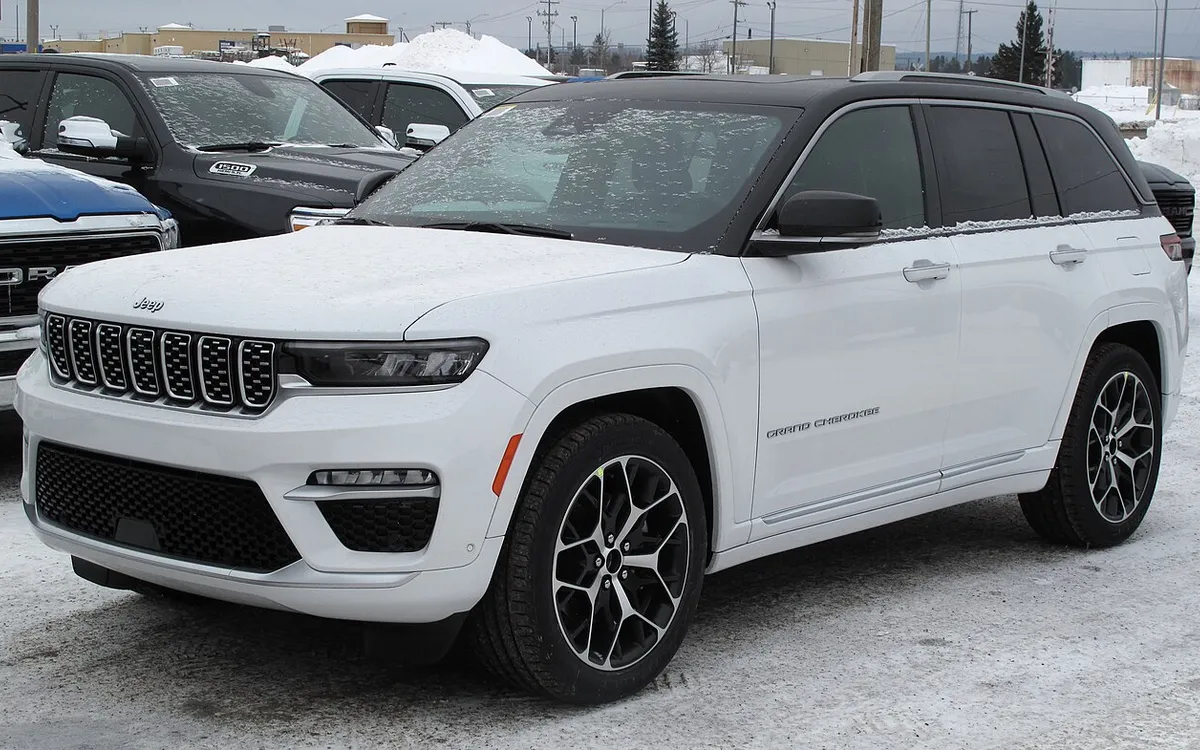
Four American models in the bottom ten
Every year Consumer Reports asks its members about the problems they had with their cars in the last twelve months and turns the answers into a predicted reliability score from 1 to 100 for each new model. The 2026 edition, published in December 2025, is based on more than 380,000 vehicles from the 2000 to 2025 model years plus some early 2026 models, across 20 trouble areas from the engine and transmission to the screens and the EV battery.
Four of the ten models with the lowest scores wear an American badge. The other six are Japanese and Korean, and most of them are electric. One of those six, the Honda Prologue, is built by GM in Mexico on the same Ultium platform as the Chevrolet Blazer EV, so the American share of the problem is arguably larger than the badges suggest.
| Model | Type | Score | Where owners had problems |
|---|---|---|---|
| GMC Acadia | Midsize SUV, gasoline | 14/100 | Transmission (fluid leaks, some full replacements), brakes, electrical accessories, infotainment |
| Rivian R1T | Electric pickup | 18/100 | EV battery, electric motors, climate control, steering and suspension, door handle motors and tailgate latches |
| Chevrolet Blazer EV | Electric SUV | 19/100 | EV battery, electric heating and A/C compressor, 12-volt battery, screens freezing or going blank |
| Chrysler Pacifica Hybrid | Plug-in hybrid minivan | 26/100 | Transmission, engine, screens, charging and battery cooling |
The GMC Acadia has the lowest score of any 2026 model in the survey, not just among American ones. It is also the only gasoline-only vehicle of the four, which shows that the trouble is not limited to new technology: a redesigned conventional SUV can stumble just as badly.
Why these models score so low
The four have one thing in common: they are either all-new designs or carry complex powertrains. The Acadia was fully redesigned for the 2024 model year. The Blazer EV arrived the same year and its early software problems were serious enough for Chevrolet to pause sales for a few months. The Rivian R1T is the first truck of a young company, and the Pacifica Hybrid pairs a gasoline engine with a large battery and an electric drive unit, so there is simply more that can fail.
J.D. Power's 2026 U.S. Vehicle Dependability Study, which surveyed 33,268 owners of three-year-old 2023 vehicles, points the same way. Plug-in hybrids had the most problems by far, at 281 problems per 100 vehicles (PP100), followed by electric vehicles at 237 and hybrids at 213. Conventional gasoline vehicles did best at 198. The industry average was 204 PP100, slightly worse than a year earlier. Infotainment was again the most complained-about category, and the single most common problem was Android Auto and Apple CarPlay connectivity.
The brand is not the model
It would be easy to conclude that American cars are unreliable. The data does not say that. In the same J.D. Power study, Buick was the most dependable mass-market brand (160 PP100), Chevrolet was third (178) and Cadillac was second among premium brands (175). The Buick Enclave, Cadillac XT6, Chevrolet Equinox and Chevrolet Tahoe each won their segment.
The Acadia, the Blazer EV and the Tahoe all come from General Motors, yet they sit at opposite ends of the tables. What matters is the specific model, the model year and the powertrain, not the logo. In Consumer Reports' brand ranking, Rivian came last, with Chrysler, GMC, Ram and Jeep also near the bottom, while Tesla climbed into the top ten. A brand average hides models that are much better or much worse than it.
What this means if you are buying used
A 2026 prediction is built from the recent model years, so a used 2024 or 2025 example of these models is exactly the car the owners were describing. That does not mean every one is bad, but it does tell you where to look. Before you buy:
- Decode the VIN. Our free VIN decoder confirms the model year, the engine and whether it is a hybrid, plug-in or electric version. A listing that says "2025" on a 2024 vehicle, or hides that it is the plug-in, is a warning sign in itself.
- Check open recalls. The NHTSA recall lookup is free. Software fixes for screens, charging and battery management are often issued as recalls, and an unrepaired one is your argument for a lower price or a dealer visit before the sale. Our free VIN check guide lists the official lookups.
- Ask for the repair history on the weak spots. For an Acadia, ask about the transmission; for a Blazer EV or an R1T, about the battery, the charging and the heating; for a Pacifica Hybrid, about the hybrid system and the screens. Warranty work is not a bad sign by itself, repeated visits for the same fault are.
- Check what is left of the warranty. On electrified models the high-voltage battery usually has its own, longer warranty. Compare the remaining years and miles with how long you plan to keep the car.
- Look at the past, not only the present. A test drive shows how the car runs today. A vehicle history report shows accidents, title brands such as salvage or flood, odometer readings and earlier sale listings, which matter even more on a model with a weak reliability record.
Sources
- Consumer Reports, 2026 Auto Reliability and Brand Report Card (December 2025): Who makes the most reliable new cars; model scores as reported by The Car Guide.
- J.D. Power, 2026 U.S. Vehicle Dependability Study (February 2026): results as reported by CarPro and General Motors.
Scores are predictions for new vehicles based on owner surveys; an individual car can be better or worse than its model's average.